

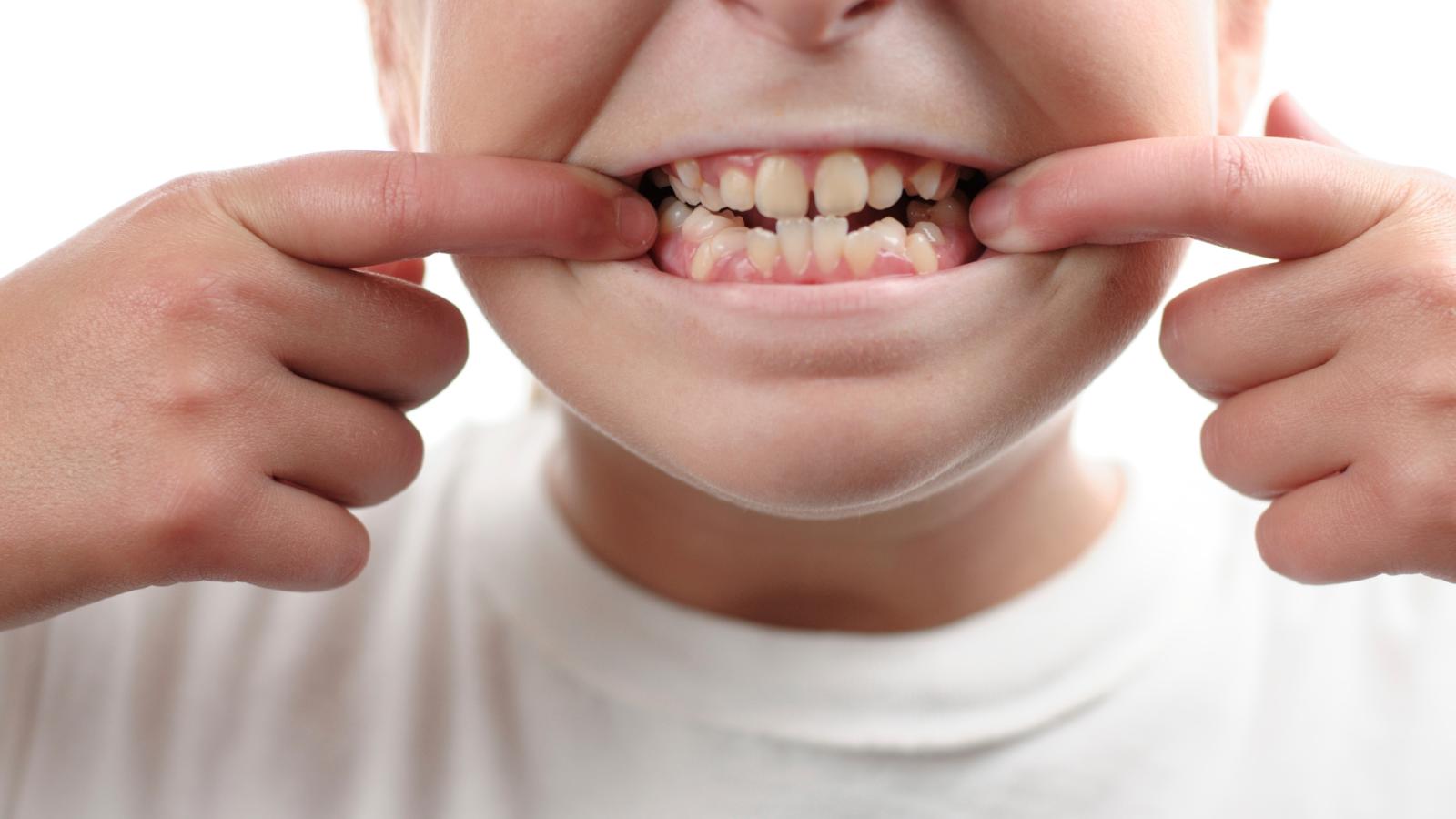
Getting braces is a big deal for many kids and teens, and they may ask their family orthodontist, “How do these little brackets actually move teeth?” Teeth feel like they’re cemented in, but they aren’t as static as they seem. Amazingly, teeth are designed to move. The living bone and tissue under your gums is a living system that responds to gentle, consistent pressure. Think of orthodontic procedures as a game of tug-of-war that’s slow and gentle. Pressure on one side causes the bone to make space. The other side starts to form new bone to support a tooth in its new spot. Eventually, teeth settle into their new position as the new bone secures them in the desired position.
Read more to find out what’s going on behind the scenes to cause straight teeth with braces.
We’ll cover:
- Braces and their components
- How teeth are moved
- Why does it take time to move teeth
- Are braces used to move straight teeth?
Braces Gently Guide Teeth Into Proper Alignment Over Time
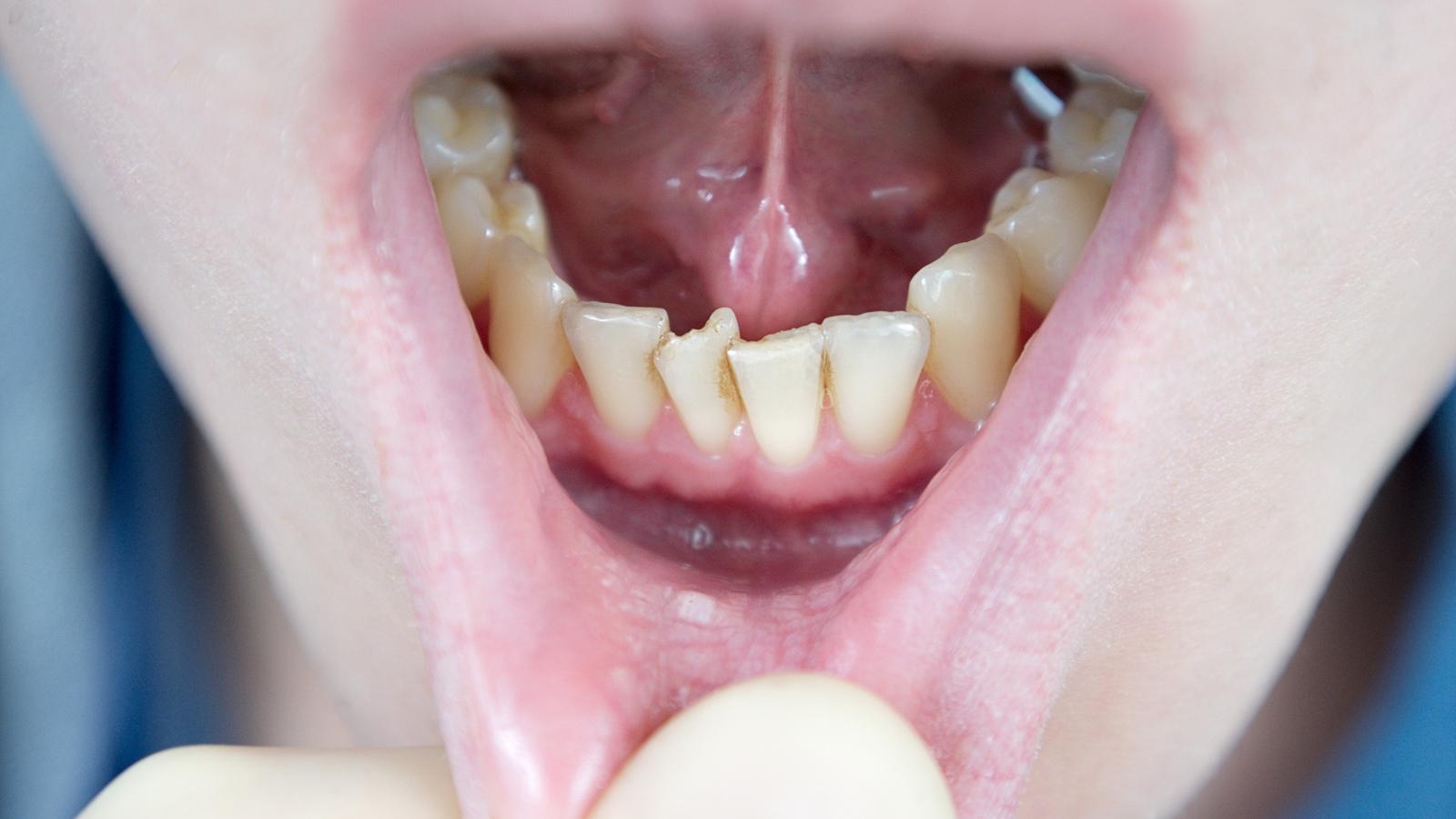
Your body naturally responds to the gentle pressure applied to your teeth by braces. The magic happens through a process called bone remodeling beneath your gums. Brackets are carefully secured to each tooth, and wires connect them to create consistent pressure, guiding them into position. Sometimes, tiny bands are used to anchor the system together for tooth alignment. When pressure is applied to a tooth, specialized cells in the body respond by breaking down bone on one side, while others rebuild bone on the other side. This calculated and gradual process guides teeth into proper alignment. It takes time for bone remodeling to achieve a perfectly healthy, long-lasting smile as braces align teeth.
The Role of Brackets, Wires, and Elastics
When you look at the brackets on braces, you’ll notice tiny squares on each bracket. The little squares function like handlebars, allowing each tooth to be gently steered to its perfect location. An arch wire connects the brackets to apply a directional force, allowing the braces to align the teeth. Itty-bitty rubber bands (elastics) are also connected to the “handlebars”. The rubber bands help to adjust the upper and lower teeth together for a proper “bite” fit and jaw positioning. The brackets, wires, and elastics all work together to align the teeth with braces.
The Biology Behind Tooth Movement
A periodontal ligament surrounds each tooth with a flexible cushion of tissue that connects it to the surrounding bone. The periodontal ligament acts like a tiny shock absorber, keeping a tooth in place while allowing for some natural movement. Braces apply steady pressure to the tooth that is then transferred to the cushion. Pressure applied to the tooth causes the cells break down bone tissue. New bone tissue begins to grow on the other side of the tooth, making it possible to align teeth with braces. Amazingly, the body can reshape soft and hard tissue as braces align teeth safely and effectively with gradual movement.
Why It Takes Time to See Braces Results
For braces to align teeth safely, tooth movement must happen gradually. The answer to the question: “How long does it take braces to work?” is not straightforward. Depending on the treatment plan, the full process can take 12 – 24 months. Orthodontic treatment is intentionally slow and carefully monitored because moving teeth too quickly will damage the surrounding tissues.
Factors that influence treatment times:
- Age: Bone is easier to move in children who are still growing. Adults can successfully achieve straight teeth with braces, but the process will take longer.
- Complexity of misalignment: The amount of needed corrections will affect treatment times.
- Compliance: How well you follow the orthodontist’s instructions plays a major role in the process.
Your smile journey will require patience. As braces align teeth, the surrounding tissues must have time to rebuild and lock teeth in their new positions. Patience during treatment time will offer a beautiful smile for years to come – hang in there!
Can Braces Move Already Straight Teeth?
Yes, you can use braces to move straight teeth when unseen issues require correction. A misaligned bite may require correction to prevent jaw discomfort, uneven wear, or long-term stress on certain teeth. Braces align teeth for balance and function as well as for cosmetic reasons.
Also Read: Is Gum Safe to Chew With Braces? The Truth.
Guided Movement Leads to a Lifetime of Straight Smiles
A steady pressure combined with your body’s natural bone remodeling process guides teeth into healthier positions over time. Brackets, wires, and elastics work together to apply controlled force, while the surrounding bone reshapes and supports each new position.
Orthodontics goes beyond creating beautiful smiles, as the goal is to improve proper function. Even those with straight teeth may need braces for bite alignment, jaw repositioning, or stable spacing to achieve long-term oral health. Experiencing the “before and after braces” transformation is life-changing for smile confidence, function, and health.
If you’re in Temecula or Hemet, schedule a consultation with Miles of Smiles and begin your smile journey. A confident smile begins with guided movement – and the right team to support every step.